






Current practice trends in medical prescribing within elite football are relatively unknown with previous studies focusing on player-reported data. This paper aims to examine the utilisation and frequency of management strategies in elite football in the areas of analgesia, muscle injury intervention, bone injury, well-being and concussion management.
MethodsAn online survey was distributed to medical staff working within elite football. This included medical clinicians and non-medical prescribers. Anonymised data were transformed and analysed using SPSS v29.
Results126 completed surveys were eligible for inclusion. 81% worked for teams at National Tier One or above and 85% in the men’s game with 79% based in the UK. On average, 26% of prescriptions were due to clinician-perceived pressure to prescribe. Clinicians in the UK prescribe paracetamol and opiates more frequently (p<0.001) than those from other geographical regions. Non-steroidal anti-inflammatory drugs are used more frequently in the UK (p=0.022) and selective cyclo-oxygenase-2 inhibitor use is more common in higher tier teams (p<0.001). Use of leucocyte-poor platelet-rich plasma was more frequently used by clinicians outside the UK (p=0.020). No significant differences in prescribing existed between clinicians in men’s and women’s football.
ConclusionWide variation in prescribing practice exists in the setting of professional football. This study highlights key areas which warrant further investigation in the form of follow-up qualitative study or interventions databases to enhance evidence-based practice in the future.
What is already known on this topic –analgesia usage in professional football is important but not well quantified. Previous studies have focussed on player-reported use only. There is no data demonstrating prescribing trends for illness management, acute musculoskeletal or bone stress injuries.
What this study adds – This is the first study to describe prescribing trends of clinicians working in elite football across a variety of important domains.
How might this study affect research, practise or policy – This study contextualises current practice in relation to relevant guidelines and review studies for analgesia use, cartilage injuries, bone stress injuries and illness management within the setting of elite football. In doing so, establishes a foundation for developing audit practice and intervention databases to enhance future evidence-based care
The physical demands of football continue to increase, with players consistently covering greater distances at higher speeds.1 Therefore, there is an increasing need for ‘athlete robustness’ to prevent injury and illness, placing a greater emphasis on medical departments to optimise all aspects of health and wellbeing. However, the unique nature of professional football makes it challenging to produce high-quality research resulting in a heterogeneous evidence base2 where applicability and replicability of studies may be low.3 The absence of robust evidence may result in inconsistent prescribing practices across football medicine; an area which has not previously been described. In addition, a rise of ‘non-medical prescribers’ (non-physician-trained medical staff with additional prescribing certification) may mean this evidence is more difficult to standardise.
Success in football is heavily influenced by player availability.4 In elite sports decisions on player availability, injury or loading status, training modifications or imaging requirements may prioritise short-term athletic goals and performance outcomes. These may all influence the underpinning principles of good prescribing practice; a concept for the purpose of this study we have termed ‘prescribing pressure.’
AnalgesiaAnalgesic medications are compounds used in the management of pain and are common in musculoskeletal medicine. Analgesia prescribing principles are covered within the World Health Organisation Analgesic Ladder,5 however this stepwise approach is not always practical in pitch-side care in the context of acute severe injury. Equally, omitting the initial steps of the ladder may lead to over-treatment or expose athletes to unnecessary side effects.
Paracetamol is a widely used analgesic with a favourable safety profile. However, its efficacy is relatively low for acute pain and is no different to placebo in chronic musculoskeletal pain.6
NSAIDs are effective analgesics and can improve symptoms associated with injury related inflammation, but can have negative effects on muscle, bone and tendon healing.7,8 Multiple studies have demonstrated high levels of non-steroidal anti-inflammatory (NSAID) use in footballers.9 In recent years, NSAID use in international settings has been monitored by FIFA. A systematic review involving German athletes highlighted a concerning routine use of NSAIDs of 54.2% in football10 This is higher than non-elite populations,11 which may be concerning given the potential deleterious effects of NSAIDs in sport.
Whilst effective, opioids have their own risks, such as addiction and coordination impairments,12 leading to the 2024 World Anti-Doping Authority ban on tramadol.
Parenteral analgesia, such as local anaesthetic injections, may be requested to facilitate short-term performance goals but have their own risks, alongside the potential ethical implications associated with their use.13 In addition, the long-term safety profile of local anaesthetic injections to allow participation in the short term is unclear with reported toxicity to cartilage, muscle and tendons.14 An estimate of 22% of players perceive local anaesthetic injections to delay recovery from their primary injury but anecdotal requesting remains frequent.15
Interventional orthobiologic treatmentsMuscle injuries in football occur at an approximate rate of 0.6 per player/season16 which may have within-season variation depending on fixture congestion. Pressure to improve return-to-play (RTP) times for these injuries creates an opportunity for intervention, whereby the aim is to facilitate faster RTP whilst mitigating any increases in re-injury risk.
It may also be a strategy to delay or avoid surgical management, but data to demonstrate this in sport is lacking. Despite increasing popularity of modalities such as platelet-rich plasma (PRP), the evidence base for general use in muscle injury is mixed and largely based on the hamstring complex.17,18 Heterogeneity exists within PRP preparation systems, leading to variation in platelet concentration and dose delivery, whilst there is also little consensus on the choice of leucocyte-rich and poor formulations.19
Compared to muscle, cartilage injuries are less frequent but more commonly associated with higher time-loss and long-term morbidity of the affected joint.20 Treatments for high-grade injuries with larger surface area defects are more likely to require surgical approaches,21 whereas injuries without mechanical symptoms may focus on initial symptomatic management and rehabilitation.22 Hyaluronic acid (HA) preparations show diverse results depending on molecular weight and frequency of use.23 In vitro studies demonstrate anti-inflammatory properties of higher molecular weight products.24
BoneStress fractures (SF) account for 0.5% of all football injuries with 29% of these being re-injuries.25 Loading and nutritional status are important for bone health and remodelling, therefore optimizing these may be influential in minimizing injury risk. Bone stress injuries (BSI) begin with microdamage and detectable oedema on magnetic-resonance imaging and may progress to SF if further loading occurs without the affected bone having time to remodel.25 Earlier recognition may occur due to improved imaging access, leading to the change in terminology from SF. Opportunity for intervention is therefore identified earlier in the BSI/ SF continuum. Intervention strategies in the case literature include use of bisphosphonates or osteo-anabolic agents. These are ‘off-license’ treatments borrowed from osteoporosis management and have a small, indeterminate evidence-base in the context of elite sport.26 Electric bone stimulation, as a treatment adjunct, has moderate evidence in acute fracture healing but is not well replicated for BSI.27
Illness & well-beingTeam-physicians are required to manage common illnesses and provide strategies to optimise well-being and recovery, all of which may influence player availability.
Respiratory illness has an estimated incidence of approximately 4.9 athlete days/ year, equating to 1.8 illnesses/ year per athlete28 making strategies to minimise or delay symptoms attractive. Placebo may also be effective.29
Oral vitamin C is a common strategy and may reduce viral illness severity.30 Intravenous B-vitamin is anecdotally used in football, but evidence is limited to demonstrating small benefit in severe infection in hospitalised patients.31
Sleep strongly influences recovery with variable kick-off times and time-zone changes commonly disrupting sleep latency.32 Training volume, intensity and timing is also known to play a role, alongside external factors such as work and family commitments.33 A recent systemic review shows sleep hygiene education and cognitive behavioural therapy for insomnia (CBTi) as the most effective intervention with supplementation strategies commonly used despite the weaker evidence base.34 Clinicians should be aware of the potential variability in melatonin content35 and the consequent potential for anti-doping rule violations through contamination. Z-drugs (zopiclone, zolpidem) are commonly used to induce sleep through increased GABA transmission and whilst effective in the short-term, can be addictive. Valerian is postulated to act as a GABA-receptor agonist to produce anxiolytic and sedative effects with reviews showing moderate efficacy.36
Delayed-onset muscle soreness (DOMS) is a normal phenomenon following high or unaccustomed exercise resulting in release of TNF-α, IL-1 and IL-6 and manifesting as measurable elevations in serum creatinine kinase (CK) and lactate dehydrogenase. DOMS may be modulated by fatigue, sleep, nutrition and hydration, however pharmacological aids have a relatively weak evidence base.37 Despite this, medical management strategies to attenuate muscle soreness are known to have been used in tournaments, congested fixtures or environmental changes. Histamine 1 and 2 receptor antagonists taken during activity may lead to increased creatinine kinase levels, decreased levels of muscle soreness, attenuated strength losses but blunting of the long-term training adaptation response.38,39 Conversely, no evidence exists to support use of proton-pump inhibitors (PPIs) for reduction in muscle soreness, but anecdotal evidence suggests usage in sport. The resultant, upregulated magnesium excretion may impair muscle function and increase risk of myopathy.40
ConcussionManagement strategies following concussion in sport are important, with the basis of sport-specific RTP guidance developed from the international consensus statements.41
Magnesium, zinc and vitamin C have potential benefit in hospitalised patients with significant imaging evidence of traumatic brain injury.42 One small study suggests a moderate clinical effect of oral magnesium decreasing symptoms at 48 hours post-concussion in an adolescent cohort,43 but similar data does not exist for zinc or vitamin C. More recently, riboflavin supplementation has been shown to have a small impact on post-concussion symptom duration, but this study was confounded by forced methodological changes.44 Adjunctive treatments do not form part of this guidance but remain a focus of research and their uptake in clinical practice is not well documented.
AimsThere is a relative paucity of sport-specific prescribing guidance is likely to result in in elite football. Individual scope of practice of prescribing clinicians in football can vary widely and resultant prescribing rates may demonstrate a large amount of heterogeneity.
Therefore, this paper aims to examine the utilisation and frequency of management strategies in elite football in the areas of analgesia, orthobiologics, bone injury, illness & well-being management and concussion. Whilst previous studies have focused on player-reported data, our approach seeks to describe prescribing rates as reported by clinicians working in professional football.
MethodsDesignAn online survey was designed with questions relating to the above treatment domains (appendix 1). Themes and domains of prescribing were decided upon using focus groups of clinicians. The questionnaire was sent to non-participating clinicians to assess for internal and external validity.
Participant’s responses were anonymous and included basic demographic data on country and employment.
Due to the potential large geographical spread of respondents’ team level, this was sub-divided into International; National Tier One (NT1) e.g. Premiership, La Liga, Bundesliga, Major League Soccer; National Tier Two (NT2) e.g. Championship, Ligue 2 Serie B; National Tier 3 and below (NT3+) e.g. EFL League One equivalent or lower.
The survey was distributed via online link on social media and remained open for one month.
No ethical approval was required for this study methodology, confirmed using the relevant Health Research Authority decision tools. Participants were required to provide written consent for the usage of anonymised data prior to entry.
AnalysisData were exported and transformed for analysis using SPSS version 29.0 (IBM statistics). Data were assessed using percentages, mean ± standard deviation with nominal variables compared using chi-squared testing. Correlations were assessed using the Pearson method. A reference value of p<0.05 was used as a cut-off to report significant results.
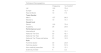
Results156 clinicians submitted the survey resulting in 126 (81%) eligible responses for which demographic data are displayed in Table 1.
Clinician characteristics and demographics.
On average, clinicians felt 26% (range 0-96%) of prescribing decisions were made due to a ‘pressure to prescribe’, but this did not correlate to increased prescribing of any specific medication.
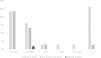
AnalgesiaParacetamol was by far the most prevalent drug prescribed (Fig. 1), with 52% of practitioners prescribing this regularly in matches, 57% regularly in training and 96% utilising in total.

Clinicians in the UK were more likely to use both paracetamol and opiates in training (p=0.011 and p<0.001 respectively) compared to those practising outside the UK. No significant differences were seen with other analgesics and opiate prescribing did not correlate to perceived prescribing pressure.
Clinicians who regularly prescribe paracetamol for training were more likely to prescribe NSAIDs and opiates (R slope range 0.284-0.689, p≤0.001 for all) in both training and matches.
Of UK-based clinicians, 47.2% regularly used non-selective NSAIDs in training which was significantly more when compared to the 13.0% usage from clinicians outside of the UK (p=0.022). Prescription of COX-2 selective NSAIDs occurred at significantly higher rates in higher competition tiers (p<0.001) and were used more frequently by full-time clinicians (p=0.007), with no significant difference when comparing UK-based clinicians to others.
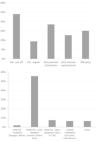
Rates of prescribing following muscle strain are demonstrated in Fig. 2. Of clinicians outside the UK, 13.0% use a short course (48 hours) of NSAID following acute muscle injury compared to 1.2% of UK-based clinicians (p=0.047).

Opiates were used by 19.8% of UK respondents following acute injury but not at all by non-UK clinicians (p=0.008). No significant differences existed in prescribing rates of delayed NSAID use, traumeel, tranexamic acid or topical agents. All analgesics were prescribed at higher frequency by those working in senior squads compared to academies.
Orthobiologic InterventionReported use of injectable interventions following muscle injury are shown in Fig. 3. Leucocyte-poor PRP was used regularly and was used more frequently outside of the UK (p=0.020). Leucocyte-rich PRP was used significantly more often by full-time clinicians with a total of 55.6% compared to 17.0% of part-time clinicians (p=0.011).

No differences in use of platelet-poor plasma, autologous whole blood, actovegin or prolotherapy were observed in this setting.
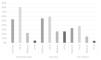
Cartilage injuryIntervention for cartilage injury was common and varied, shown in Fig. 4. HA was most commonly used as a single injection (48%) rather than injections and most clinicians choose medium-molecular weight HA (56%).

a) rate of use of intervention following cartilage injury. b) Frequency of choice of hyaluronic acid preparation according to molecular weight. HA - hyaluronic acid, PRP – platelet-rich plasma (any preparation), LMW – low molecular weight, MMW – medium molecular weight, HMW – high molecular weight, UHMW – ultra-high molecular weight.
There was no consensus on the factors influencing the choice of HA product characteristics. Price, practice trends among other clinicians, and product availability accounted for 18.0%, 31.1%, and 32.1% of decision-making respectively, while only 29.2% of respondents reported considering efficacy data in their selection. Single injection of HA and oral glucosamine were both used significantly more in the men’s game compared to women’s (p=0.032 and p=0.030 respectively).
BoneVitamin D supplementation was used by 71% and calcium supplementation by 42% following BSI. A total of 18% of clinicians reported using bisphosphonates and 9% teriparatide. which was more likely in the National Tier One level and above when compared to lower tiers (p= 0.024), Fig. 5.

Calcium and vitamin D supplementation correlated significantly with increased bisphosphonate prescribing (r=0.206, p= 0.017 and r=0.175, p=0.036 respectively) but not with teriparatide use.
Clinicians using teriparatide did not exhibit significant differences in prescribing pressure (r=-0.148, p=0.072).
All interventions for BSI were prescribed at higher rates within the men’s game compared to the women’s game. 36% of respondents use electrical bone stimulators as an accessory treatment, but utilisation of bone stimulation did not differ between tiers or geographical location.
Illness & well-beingFollowing acute viral illness, high-dose vitamin C (79.2% vs 50.0%, p=0.003), oral zinc (67.3% vs 45.8%, p=0.033), oral magnesium (43.8% vs 17.0%, p=0.005) and omega complex (54.9% vs 28.2%, p=0.008) supplementation were all used more frequently in International or National Tier One teams compared to National Tier Two or lower.
Vitamin C and intravenous B vitamin complex as a treatment for acute viral illness were used significantly more outside the UK (p=0.034 and p=0.002 respectively). In total, 26% of clinicians reported use of ‘placebo prescribing’ for viral illness management.
For sleep interventions, the most used strategies were sleep hygiene education and melatonin with lower numbers opting for supplementation or prescription-only medications. Valerian was prescribed significantly more often by non-UK clinicians (p=0.001) whereas Z-drugs were used more frequently by UK-based clinicians (p=0.006). Prescribing rates for sleep intervention correlated with higher competition tier for sleep hygiene education (r-slope=-0.243, p=0.016), CBTi (r-slope=-0.205, p=0.044), melatonin (r-slope=-0.266, p=0.008) and magnesium (r-slope=-0.231, p=0.022).
Clinicians outside of the UK prescribe proton-pump inhibitors for muscle soreness and recovery more frequently (5.1% vs 20.0%p=0.030). Anti-histamine use was reported by 5.1% of all clinicians, with no differences between groups identified. There were no significant differences in prescribing practices within the ‘well-being’ domain across the men’s and women’s games.
ConcussionA total of 24% of clinicians reported using pharmacological sleep aids after diagnosing concussion, with 21% using omega-3/ docosahexaenoic acid (DHA) compounds, 15% using riboflavin and 12% using magnesium supplementation at some time.
Oral zinc (6.6% vs 30.6%, p=0.014) and vitamin C (14.1% vs 45.0%, p=0.015) supplementation following concussion was more commonly used by clinicians outside the UK.
DiscussionThis is the first paper assessing rates of reported prescribing and intervention across a range of domains in elite football. It forms an important addition to the current evidence base and expert consensus on topics such as NSAID prescribing, intervention for muscle and cartilage injury, BSI and sleep interventions. Much of the current evidence guiding practice is derived from non-elite populations with study participants demonstrating wide age ranges and activity levels. Transferability of research to elite football is difficult and this may account for some of the variation observed within the present study.
The large variations in observed practices may also reflect heterogeneity of audit or quality-control practices within elite sport.
Clinicians felt a mean of 26% (range 0-96%) of prescribing decisions were made due to ‘pressure to prescribe’, but this did not correlate to increased prescribing of any given medication. Whilst this number may be lower than some expect, the degree of variation could be seen as cause for concern. Prescribing pressure is known to affect prescribing decisions and errors in hospital medicine.45
AnalgesiaParacetamol was by far the most common drug prescribed which is to be expected, given its overall safety profile and efficacy in many minor illnesses.
Interestingly, those who prescribe paracetamol for training were more likely to prescribe all NSAIDs and opiates (R slope range 0.284-0.689, p≤0.002 for all) in both training and matches. Whilst viewed as potentially harmless, paracetamol prescribing could be seen as a gateway to use of multiple different analgesics.
Clinicians in the UK were more likely to use both paracetamol and opiates than other international practitioners but there were no other correlations to provide insight as to why this may be the case and prescribing pressure did not differ with geographic region. The 2024 WADA ban on tramadol could conceivably have shifted some prescribing load towards a preference of codeine. Although codeine has a slightly lower association with addiction compared to tramadol, it may still modulate training and performance through reduced pain perception and rating of perceived exertion.46 Codeine also carries a small anticholinergic burden, with cumulative dosing associated with cognitive impairment. This raises the question as to whether specific audit of its usage in sport is warranted.
Differences in prescribing rates for non-selective NSAIDs and selective COX-2 inhibitors likely reflect a combination of their duration of use in sport, the population being treated and the cost. Drugs like diclofenac may remain in use due to familiarity and relative lower risk for renal and cardiac complications when considering the sporting population compared to public. COX-2 inhibitors are between five and fifteen times more expensive.
Prescription of COX-2 selective NSAIDs occurred at significantly higher rates in higher competition tiers. Clinicians working with NT1 and NT2 teams may be likely to be solely responsible for long-term injuries, with fewer prescribing or intervention decisions undertaken by external specialists. The favourable gastrointestinal safety profile of COX-2 selective inhibitors for longer-term use may explain the increase in utilisation in higher tier teams.
Squad seniorityHigher rates of prescribing in senior squads compared to academies could be due to the perceived ‘higher-stake environment’ associated with senior football, and a greater pressure to get key players onto the pitch. However, a non-significant trend was identified showing higher perceived ‘prescribing pressure’ in lower tiers of competition (R=0.190, p=0.060). Another explanation could be that academy doctors are responsible for players with a wider range of age and maturation status where conservative approaches are more common due to limited drug options and variable dosing. In addition, a longitudinal focus on player development may lend itself more strongly to conservative or lower-risk management strategies. Academy doctors may be more likely to work at their club part-time and have multiple squads. Therefore, the amount of contact time and opportunity to prescribe may be lower when compared to senior teams. In addition, academy teams may train less than full-time due to educational constraints and longitudinal care is more likely to be governed by a General Practitioner external to the club.
Muscle InjuryTreatment following muscle strain varied significantly with a predominance for simple conservative measures. Non-UK based clinicians were more likely to use short-duration NSAIDs, whereas UK-based clinicians gave a delayed prescription more often. A potential concern in acute trauma is COX-1 inhibition leading to increased bleeding. Despite specific evidence for muscle injury lacking, data relating to blunt organ injury bleeding suggests no risk increase.47
A high number of clinicians reported prescribing opiates following acute muscle injury in line with high rates of opiate prescribing elsewhere.
Higher rates of LR-PRP in full-time clinicians may reflect a combination of differences in scope of practice, funding or familiarity with equipment compared to those in less than full-time roles. It is also important to note that the proportion of full-time clinicians trended upwards with higher competition level of the employing club. LP-PRP use was higher outside of the UK. In vitro studies have suggested LP-PRP increases satellite cell recruitment and a potentially lower inflammatory response compared to LR-PRP due to leucocyte release of IL-1β, IL-6 and TNF-α48 but this has not translated into in vivo data.49
Cartilage InjuryGlucosamine and chondroitin are molecules found in normal cartilage with supplementation postulated to give improvements in pain and function for cartilage disorders such as osteoarthritis. Their use is not supported in UK guidelines50 and studies demonstrate mixed results.51 Notably, the study populations tend to be older with x-ray changes of osteoarthritis meaning its translation into a sporting setting is not validated. Chondroitin, but not glucosamine, use was significantly higher in NT1 (p=0.041).
Significantly more clinicians working outside the UK reported PRP use for cartilage injury(p=0.037). 25.5% of clinicians reported using IACS, but no differences existed between groups. Pros and cons of these have been extensively reported previously52 but more recent data suggests the type and preparation are critical for PRP efficacy.53
The predominance of single injection (48%) and MMW HA (56%) is interesting and may relate to individual product variability and geographic availability. For example, preference of Ostenil Plus whereby the product is manufactured particularly to reduce the number of injections. This potentially makes this a more attractive option in elite football. A recent study however demonstrated that multiple HMW HA injections outperformed single injections,23 but further study is required to enhance specificity and applicability to elite sport.
The 2025 ICRS-FIFA-Aspetar consensus statement focuses on surgical management.21 Notably, the strongest indication for surgery was inability to play and surgery was only considered appropriate in 33% of all players. There was a strong preference towards surgery being timed in the non-acute phase. This could explain the rationale for trialling more conservative treatment modalities, such as HA or PRP in the present study, and the relatively high utilisation of single HA injection use.
Orthobiologic use not was reported frequently enough in women’s teams to give a reliable comparative analysis.
BonePharmacologic interventions for BSI have limited evidence and should only be considered in recurrent injury according to a recent Delphi study.54
Vitamin D use in sport is widespread due to effects on bone, muscle and immune function so high prescribing rates here are perhaps unsurprising. Dietary calcium is insufficient in large proportions of most populations and is often co-prescribed with vitamin D which likely accounts for similarly high numbers.
The correlation between Calcium and vitamin D supplementation with increased bisphosphonate use may reflect familiarity with co-prescribing of these agents in osteoporosis care. Conversely, the lack of correlation of supplementation us when teriparatide is used could suggest these are already optimised and its use is for injury recurrence, but detecting this level of detail was beyond the scope of the survey.
The larger financial incentive of the men’s game may also play a role, but teriparatide use did not correlate with prescribing pressue(r=-0.148, p=0.072). Given the proposed rationale for its use, this may reflect a greater knowledge of the underlying evidence base for other treatment strategies in an elite sport setting. It may also be due to wider multi-disciplinary team working due to the larger staff cohort seen in higher tier clubs compared to lower tiers.
Bone stimulator use represents an attempt to promote SF healing, but this did not correlate to prescribing pressure. Evidence quality is limited in this field and this number may reflect utilisation for BSI at ‘high-risk’ sites or sites requiring a change in weight-bearing status – a factor known to influence the utility of bone stimulation in acute fractures55 Although this isn’t a prescribable treatment, the high utilisation is likely reflective of the relative lack of good data supporting other pharmacological options.
The higher rates of intervention in the men’s game may reflect historic practice trends or higher budget considering high-cost medications or equipment. Higher clinician perceived index of suspicion for relative-energy-deficiency in sport (RED-S) is likely to exist in many female sports – evidenced by the previous terminology of this condition as the ‘female-athlete triad’. Lack of familiarity of the presentation of REDS, a known risk factor for BSI, in male athletes may also be a driver towards pharmacological therapies over more conservative approaches.
Illness & Well-beingPrescribing for viral and upper respiratory tract infections was common with 54.5% of clinicians reporting use of 2 or more compounds.
Three studies were identified, agreeing with practice that vitamin C supplementation has a moderate impact on reducing frequency and severity of upper-respiratory tract infections.
This combined with the low side-effect profile explain the utilisation in almost 80% of NT1 or above clinicians. A large study concluded there is limited evidence suggesting efficacy of zinc reducing symptom burden outside of intensive care settings, but not for omega-3.56 High prescribing rates may again reflect favourable safety profile despite evidence for minimal effect size.
Sleep hygiene information and CBTi were the most used conservative measures, in keeping with guidance discussed.28 Melatonin was the most prescribed pharmacologic agent with surprisingly no difference in use in the UK (where it exists as a prescription-only medication) compared to elsewhere.
Use of anti-histamines to prevent muscle soreness was low, which may reflect the uncertain evidence base or potential concern of reduced training adaptation. Reasons for the significant differences in PPI use are unclear and warrant further research.
ConcussionCompared to other injuries, low numbers report pharmacologic intervention following concussion, despite emerging evidence for compounds such as riboflavin.44 Unlike some other areas of clinical practice discussed, concussion management has developed rapidly with individual sports creating strict guidance on RTP criteria and timeframes57 which may result in reduced uptake of novel or adjuncts.
A quarter of clinicians reporting use of sleep aids post-concussion is interesting. Increased sleep latency is a recognised factor in post-concussion syndromes and pharmacologic intervention may reduce the utility of this as a marker of recovery or prolonged symptom duration.
Strengths and limitationsThis study adds important prescribing information from the clinician perspective for the first time in professional football.
The main strength is the large number of respondents and wide geographical area covered, especially the high number involved at International, NT1 or NT2 level football (81% of respondents).
Despite benefits to social media dissemination and its wide reach, it incurs a potential selection bias. However, the result was a high-proportion of UK-based respondents working within the top tiers of professional football which achieves the aims of the study in this geographical area.
We did identify some key differences based on geographic regions (analgesia and Z-drugs for sleep) however the cohort of non-UK respondents was much smaller (20.6%), therefore follow-up research focussing on other geographical areas to fully explore and describe these differences is warranted.
This data makes reliable assessment of practice trends; however, it lacks the ability to comment on prescribing volume within individual practice. This should be the focus of further work to help quantify any issues or areas of interest raised from the present data.
Whilst we strived to cover many of the main concepts and topics within football prescribing practice, the survey-based methodology cannot be used to accurately assess all aspects of care meaning not all topics were included. This also extended into which treatment options were selected to go be options within each question. Limiting to pharmacological interventions was most in line with the original goals of the paper which set out primarily to understand prescribing practices. In some circumstances such as bone injury it was felt necessary to add an additional non-pharmacologic option, such as electrical stimulation to help understand overall willingness to intervene within areas of limited evidence. Equally within concussion, covering novel work with compounds such as riboflavin is important in recognising trends in prescribing which may be targets for capture of useful clinical outcome data within football
Women's football was underrepresented, with 15.6% of respondents working in this group, emphasising the need for further study. However, we recognize that the smaller number of NT1-level teams compared to the men’s game, along with variations in team budgets and medical department structures, may be a significant confounding factors in this context.
ConclusionThis is the first study to assess trends in prescribing among clinicians working in elite football. The study outlines differences in practice between geographical regions and competition tier. Multiple factors are likely to influence prescribing decisions in elite sports; therefore, future qualitative research would be valuable in understanding variations in practice.
ContributorshipRP – conceptualization, methodology, software, resources, validation, formal analysis, data curation, visualisation, writing – original draft. AD – methodology, resources, writing – review & editing, project administration. RD – methodology, validation, project administration.
FundingNone declared
Ethical approvalNot applicable
Data sharing statementavailable on reasonable request
Patient and Public InvolvementNot applicable
None.
Professor Richard Weiler for assistance in the survey validation process